A turning point for Rotary’s future
As the first former Rotaractor to rise to the role of Rotary International president, Yinka Babalola sparked a powerful conversation with under-45s about shaping Rotary’s future.
WORDS Rebecca Fry. President Rotary Oceania RYLA Alumni Association
Rotary Club of Social Impact Network
PHOTOS @rhysmartinphotographer
At the 2025 Rotary Zone 8 Conference, held on the Gold Coast 31 October to 2 November, something truly special happened. Rotary International President-elect Yinka Babalola asked a simple question: “Do you think we can bring all of the under 45s together for a conversation?” Of course, the answer was yes, and less than 24 hours later, around 25 Rotaractors and young Rotarians were in a room with Yinka for an inspiring hour-long conversation.
From conversation to catalyst
Yinka connected with us immediately, sharing his own experiences as a young Rotaractor and reinforcing the vital role younger members play in securing Rotary’s future. He didn’t dwell on declining membership. Instead, he asked us to think clearly and collectively about what we are going to do to strengthen Rotary now and in the years ahead.
Many of us in that room have spent years serving Rotary in different pockets – as Rotaractors, past District Rotaract Representatives, RYLA leaders, club presidents and project chairs. Often, we’ve been relatively isolated champions within our districts. And never before have we had the opportunity to come together across the Zone with a Rotary International President-elect and speak frankly about the future.
By bringing under 45s together, Yinka did two important things. He legitimised the role of younger members in shaping Rotary’s future and created a shared platform for action. The energy in the room was unmistakable: we left feeling motivated, connected and ready to take action.
If we can change ourselves, we can change our clubs. If we can change our clubs, we can change our communities. And if we can change our communities, we can change the world.
– Yinka Babalola
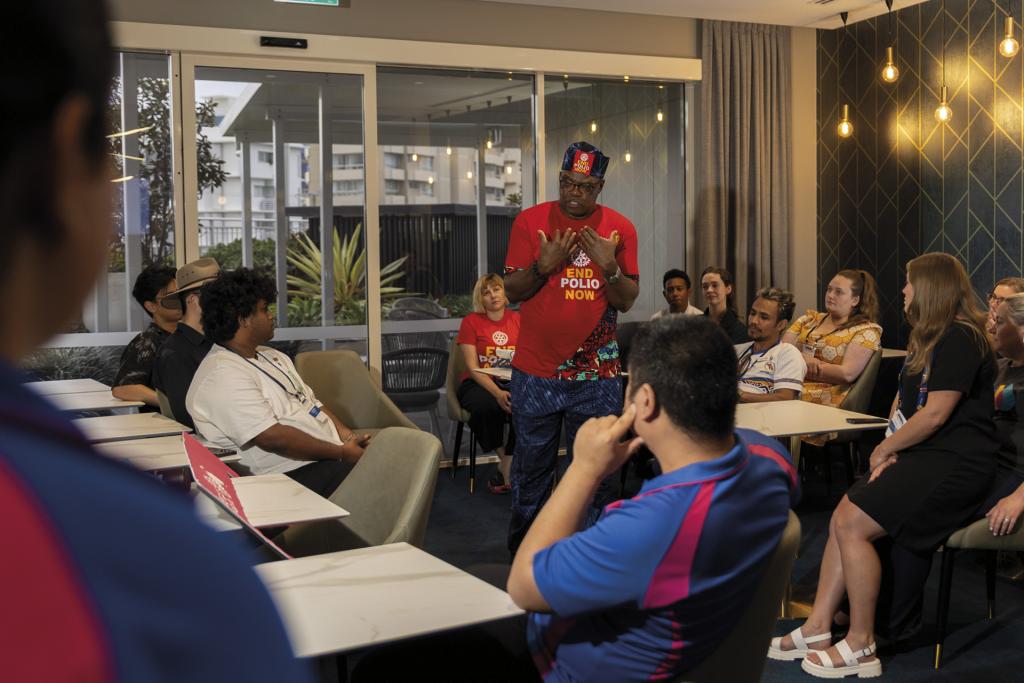
Importantly, that momentum didn’t stop when the conference ended. Within days we were collaborating online, sharing ideas and identifying themes. On 1 December, the group reconnected to create a clear action plan that supports sustainable membership.
Through our discussions, a central theme has emerged – we must be far more intentional about engaging young adults and strengthening the pathway between youth programs, Rotaract
and Rotary.
Strengthening the pathway for young adults
Across our districts, we’ve all seen the same pattern: when a young person experiences two Rotary youth programs and then joins Rotaract, they usually want to remain connected. So, the issue isn’t interest, it’s continuity. Too often in Rotary, we offer life-changing experiences and then unintentionally leave young people without a clear next step.
Each transition is essential to long-term membership, and each one works best when we all partner intentionally.
The good news is that sparks of brilliance already exist across our zone. From district-wide Interact conferences run by Rotaractors to Rotaract clubs formed organically from strong RYLA programs and younger-skewing Rotary clubs and eClubs that provide flexible, welcoming spaces for busy young professionals to contribute, there are tangible examples of the pathways we can create.
While the gathering focused on under 45s, this isn’t about one generation carrying the load. Rotary thrives when generations work together openly and intentionally. Those of us who were Rotaractors a decade ago now sit in a unique position – we understand youth programs, Rotaract and Rotary clubs, and we want to use that experience to support the next generation and strengthen Rotary as a whole.
What can clubs and districts do now?
Yinka’s spontaneous question, “Can we bring the under-45s together?” set something important in motion. But for this to become a genuine turning point for Rotary’s future, it must extend beyond one room on the Gold Coast. So, here are two practical invitations for clubs and districts across Zone 8:
- Bring your U45s together – Whether Rotaractors, young Rotarians or youth program alumni, create space for them to connect with each other and with your leaders. Ask what they see, what they need and what they’re willing to build. This one step can create significant momentum.
- Map the pathway of a young person in your district – Look at the programs and clubs you already run – Interact, RYPEN, MUNA, Youth Exchange, RYLA, Rotaract, Rotary clubs and eClubs. Then ask: How do these connect? Where are the gaps? Who supports young people as they move from one stage to the next?
With strong collaboration across generations, we can strengthen Rotary’s future in a way that honours our past and embraces what’s possible.
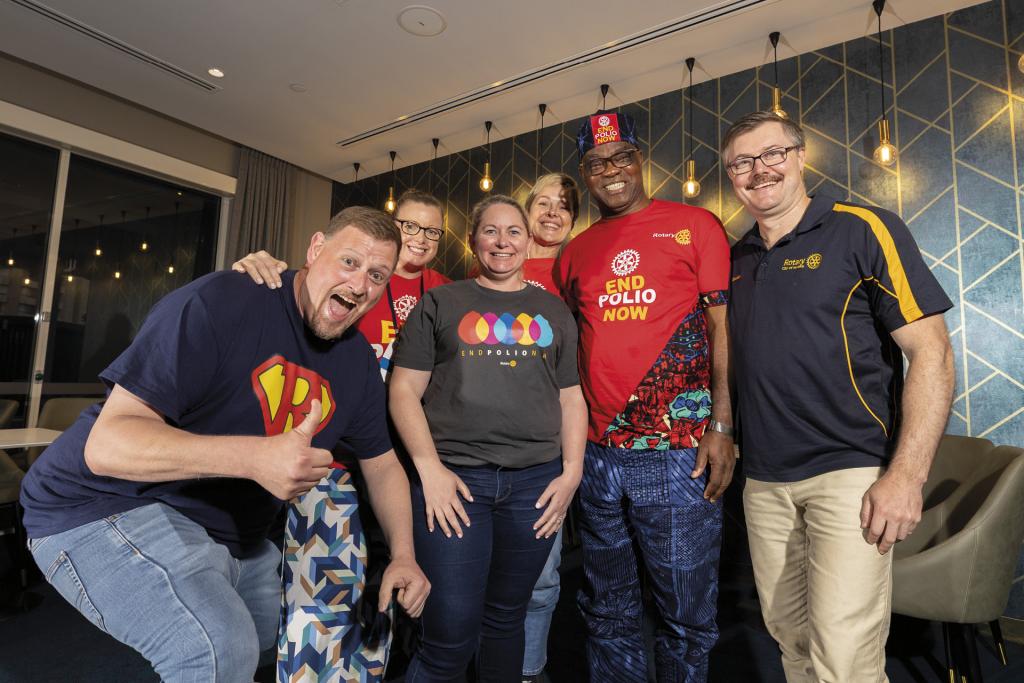
Our time with Yinka was more than a meeting. It was an important reminder of the potential we unlock when we come together. A message about ownership and possibility, and an invitation for every one of us to take action.
So, the questions we are asking are:
- Where do our Interactors go after school?
- Where do participants in Rotary Youth Leadership Awards (RYLA), Rotary Youth Program of Enrichment (RYPEN), Youth Exchange, Model United Nations Assembly (MUNA) and the National Youth Science Forum (NYSF) go once their program ends?
- How do we turn isolated experiences into a connected journey?
- How do we support Rotaractors and alumni into Rotary clubs that genuinely fit their life stage and interests?
This clarity has led us to concentrate on three key transitions:
- Interact > Rotaract
- RYLA and other youth programs > Rotaract
- Rotaract > Rotary



Related news
Imagine Better
Rotary’s Imagine Better project empowers students, tackling dyslexia and opening doors to brighter futures.
Restoring Dignity. Creating Futures.
KOCH and Rotary are empowering Korogocho’s children with education, safe spaces and hope for brighter futures.
Healing hearts across India
Wyndham Rotary’s global partnership funded lifesaving heart surgery for children in need across India.