Empowering communities and building resilience
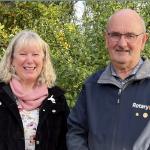
PICTURED: Rotary Club of Ballina-on-Richmond’s CPR/First Aid project Coordinator Rob Coote, left, and past president Col Lee oversee the club’s first training session.
Resilience is the ability to act quickly when someone you know has an accident, a snake bite or suffers a cardiac arrest.
In regional areas of Australia, accessing urgent emergency support can sometimes be delayed, and lives can be lost as a result. With the support of a Rotary Foundation district grant, the Rotary Club of Ballina-on-Richmond, NSW, is sponsoring local community members by offering opportunities for them to learn and become familiar with First Aid and CPR.
Learning new skills is often not a priority or affordable for many people in rural areas. When emergencies happen, lives can be at risk. With the help of the district grant, Ballina-on-Richmond has run two CPR/First Aid training sessions to date, each teaching 20 people essential skills. A matching grant from the local Ballina RSL means the club can continue providing these vital training sessions into the future.
To support the project’s goal, the club has also allocated funds to promote the NSW Ambulance GoodSAM initiative.
We want our community to be able to keep a patient alive until emergency services and paramedics arrive,” said Project Coordinator Rob Coote.
“Our community’s ability to act in a moment of need could be the most valuable skill they ever learn. Through the support of The Rotary Foundation, together, we aim to empower our community, to save lives and to build a safer and more resilient community.”

Related news
Gnomes join the fight against polio
Garden gnomes bring smiles to the Blue Mountains while raising funds to help eradicate polio.
A passion for peace
At the UQ Rotary Peace Centre, future peacebuilders learn to resolve conflict in a shifting global order.
A Couple on a Mission
Renga and Bharathi ran 2,025km each, raising $57,677 for The Rotary Foundation.